The second stadium listing is about the move
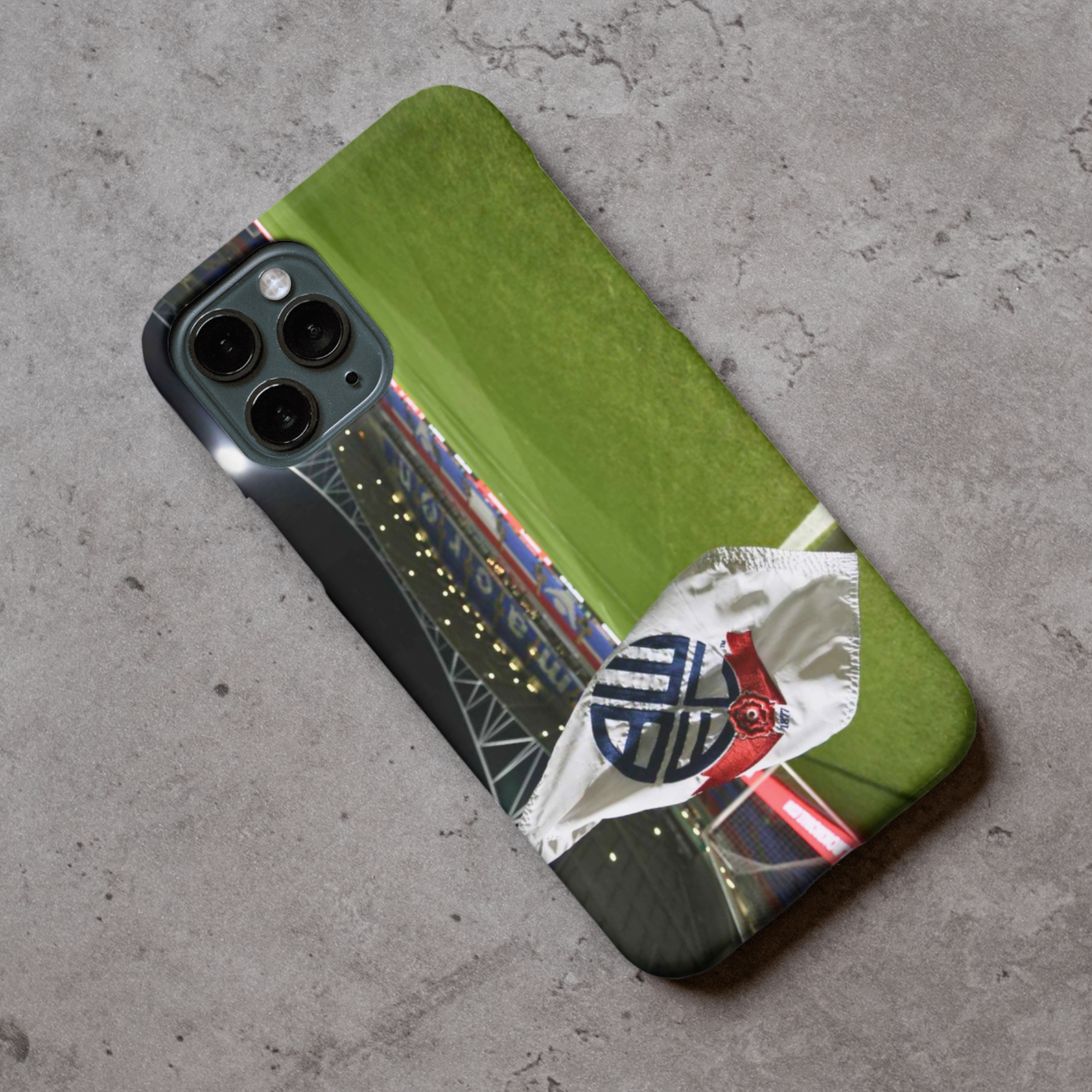
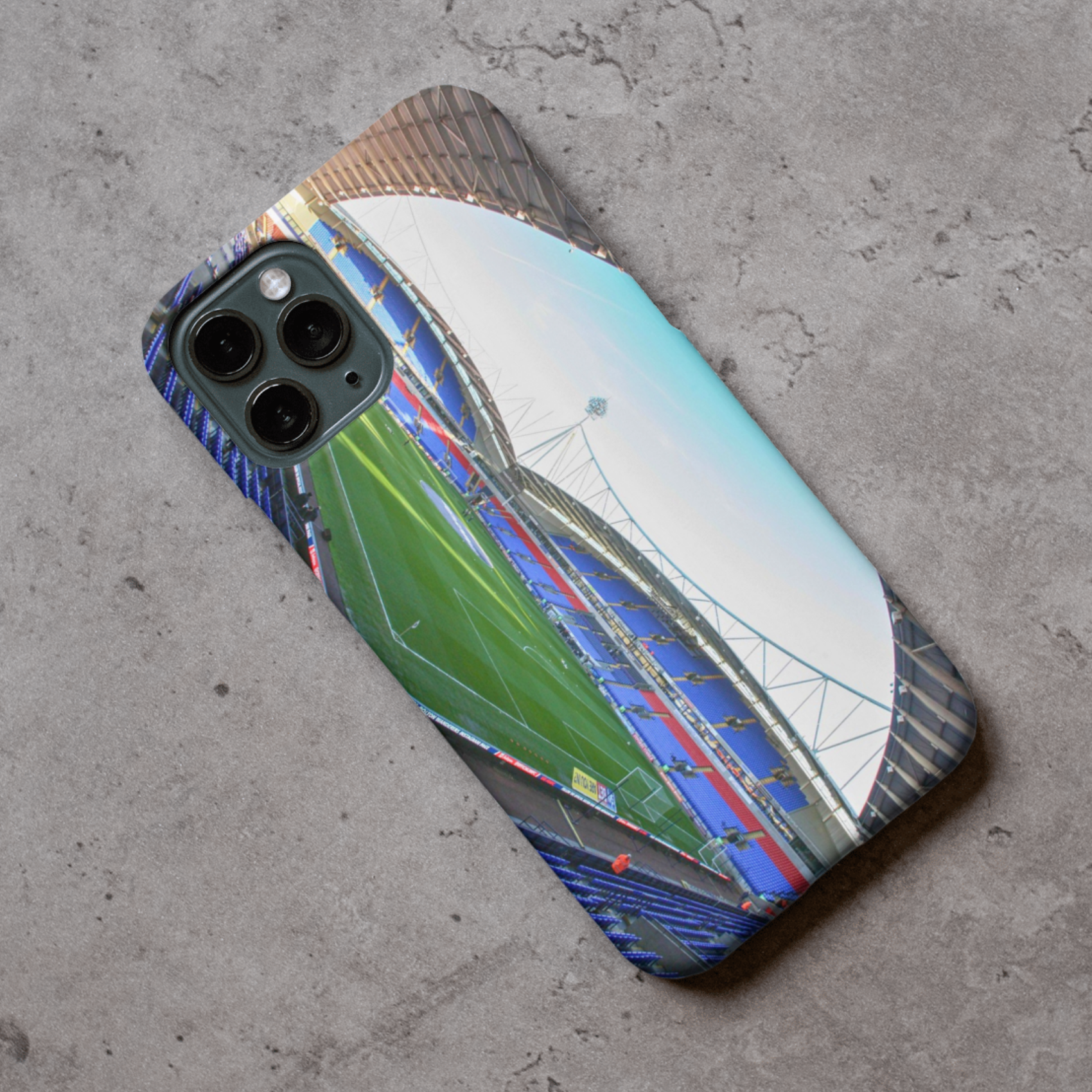
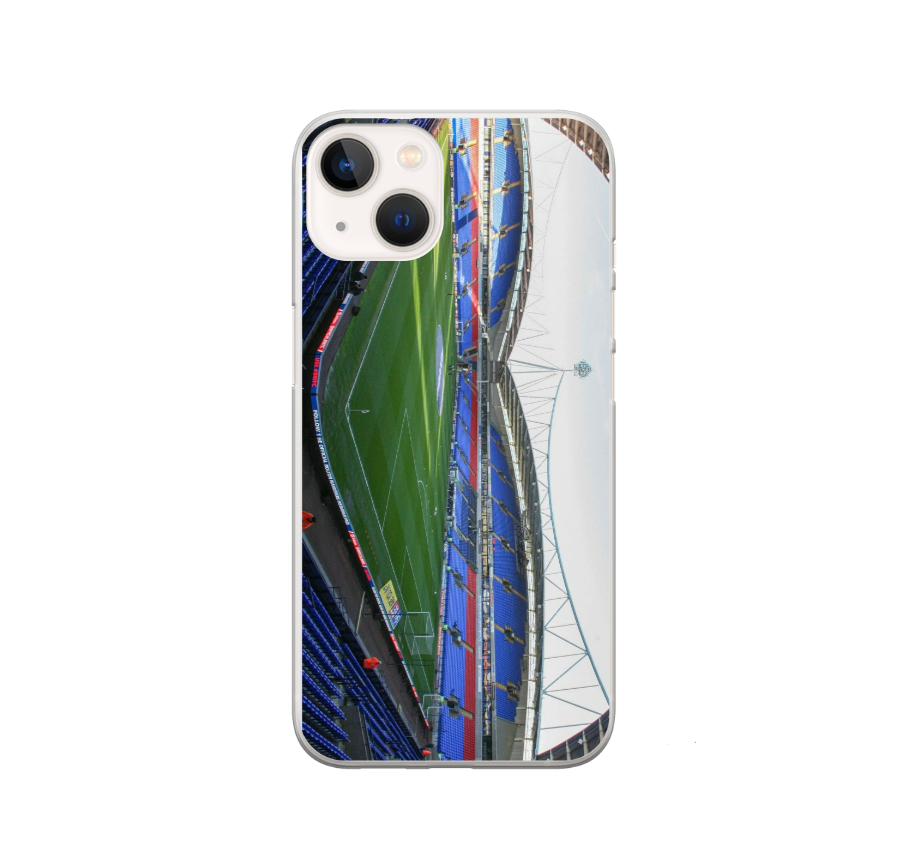
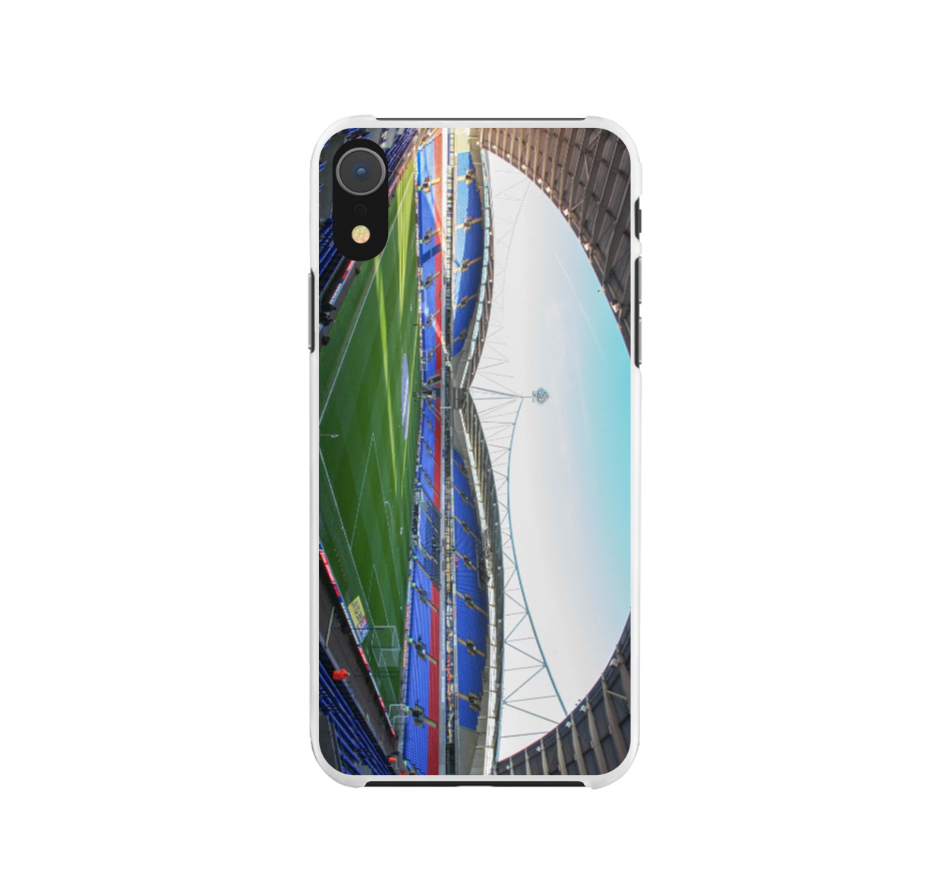
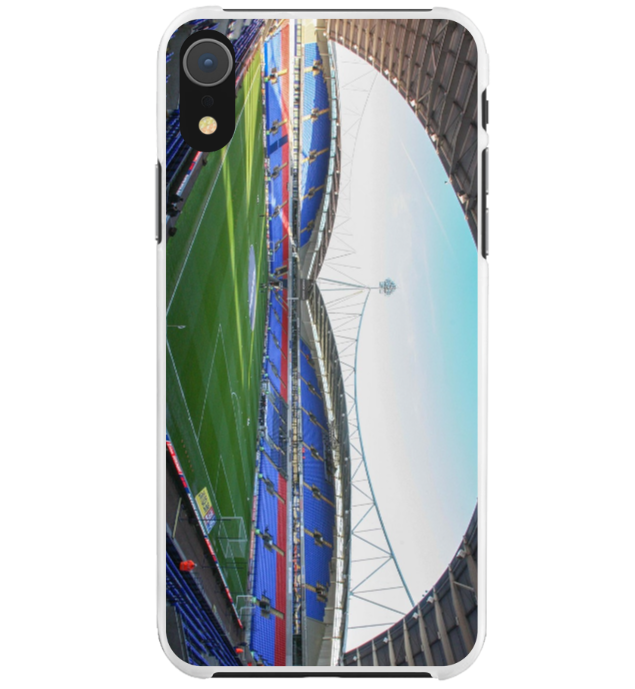
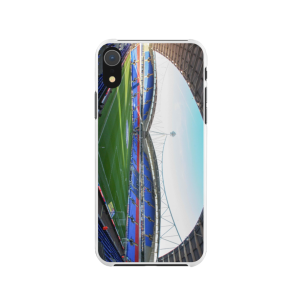
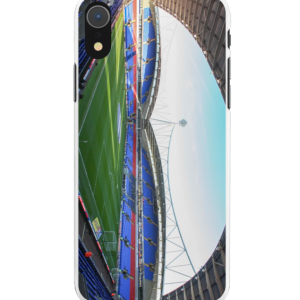
This rubber premium phone case prints a Bolton Wanderers stadium design at £4.99 with free P&P, made to order for your exact handset. It is filed under Bolton Wanderers, with no English Stadiums tag. The shop has three near-identical stadium cases at the same price with the same 26 handset options: one with “Premium Hard Rubber Silicone” in the title, one with “Rubber Premium”, and this one’s near-twin whose slug ends in “-2”. We are not going to invent a difference between three repeats. What this page can do differently is explain the thing a stadium case actually depicts, and be honest that 1997 was a relocation rather than a renovation. This is an independent, unlicensed fan-design case, not official Bolton Wanderers merchandise.
Why leaving Burnden Park was a hard sell
Burnden Park was Bolton’s home from 1895 to 1997 — 102 years, most of the club’s history. Wikipedia notes it could hold crowds of up to 70,000; the official record attendance was 69,912 for a match against Manchester City on 18 February 1933. It was also the site of the Burnden Park disaster on 9 March 1946, when a crush at an FA Cup sixth-round tie against Stoke City killed 33 supporters and injured hundreds; the club and the National Football Museum still mark the anniversary. The ground’s capacity had fallen sharply by the 1980s, and Bolton moved in 1997 to a new all-seater in Horwich. A football ground guide says plainly that the move was unpopular with many fans despite the better facilities and larger ticket revenues, and that the new stadium has been more appreciated in recent years. That is the emotional background to any picture of the Toughsheet: it is the ground that ended a century at Burnden.
The replacement was designed by Populous, commissioned in 1995 as a 28,000-seater regional sports and leisure venue for the North West. The architects describe a single-phase development in one envelope, each stand of two tiers with the lower tier forming a full bowl, spectators placed as close to the pitch as possible, built on former refuse land and described as “a spectacle in an unspectacular place”. It opened in 1997 as the Reebok Stadium with an initial capacity around 25,000, is generally listed at 28,723 all-seated today, and has carried the names Reebok Stadium, Macron Stadium, University of Bolton Stadium and now Toughsheet Community Stadium. A stadium print on a phone reduces all of that to a roofline and a bowl; knowing the argument behind the building makes the small graphic mean more.
The three listings, side by side
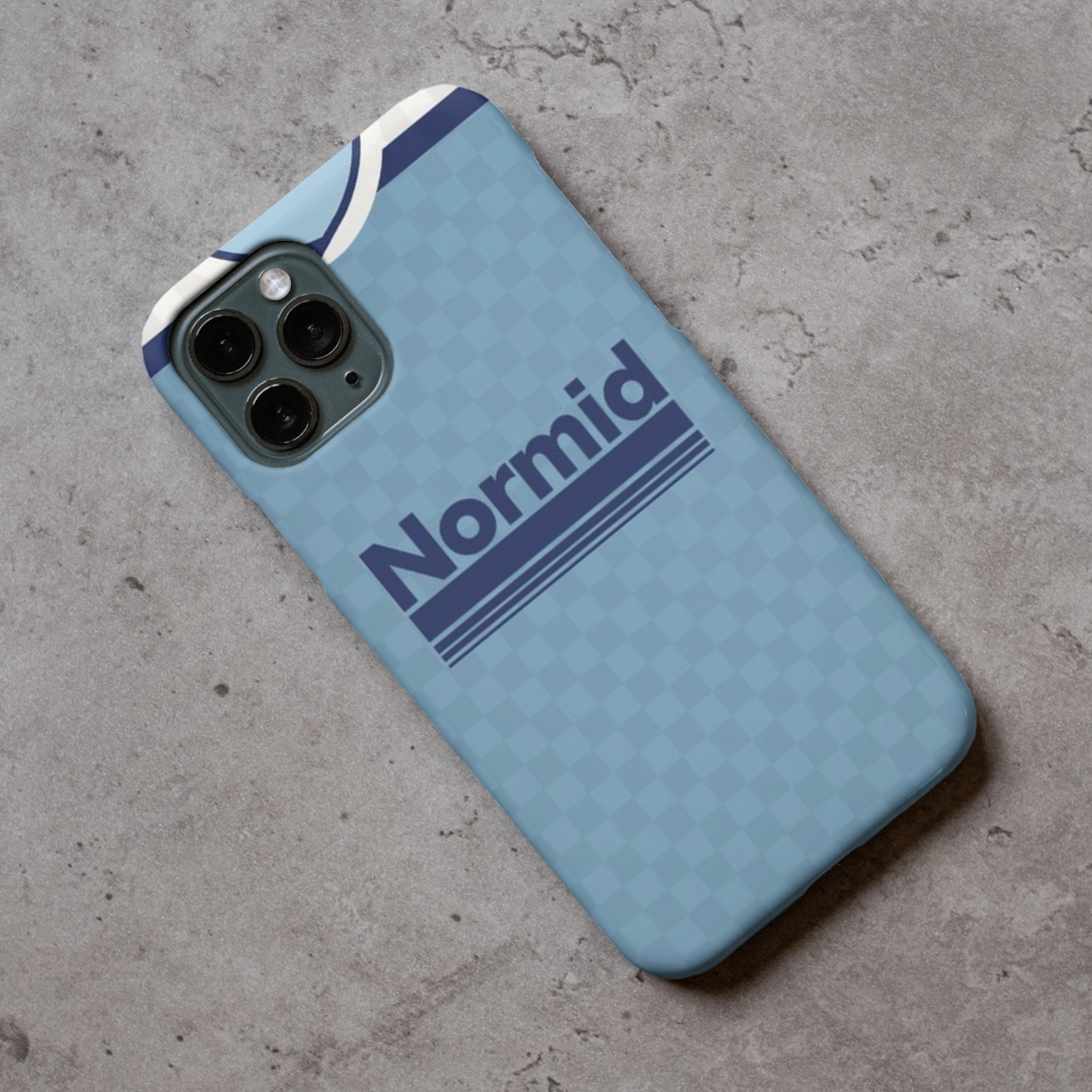
All three stadium cases here are £4.99 with free P&P, the same 26 handset variations and the same design subject. The first is tagged Bolton Wanderers and English Stadiums; this one and the “-2” version are tagged Bolton Wanderers only. The title wording differs slightly — “Premium Hard Rubber Silicone” versus “Rubber Premium” — and the two “Rubber Premium” pages carry nearly identical names, which is the ordinary WooCommerce way of handling a repeated product name. None of that signals a different image, a different material or a different era. The genuinely different products in this Bolton range are the shirt cases: 1988 Matchwinner away, 2007 Reebok away, an undated home retro, 2023/24 home with a custom name, and the 2025/26 fan-vote home. If you want a set, buy one stadium case and spend the rest on the kits. If you arrived here from a search result and only want a Bolton ground on your phone, this page does exactly what the other two do.
What the £4.99 buys
One printed case for one handset at £4.99 with free P&P, with 26 listed options: iPhone 12, 12 mini, 12 Pro, 12 Pro Max, 13, 13 mini, 13 Pro, 13 Pro Max, 14, 14 Plus, 14 Pro, 14 Pro Max, 15, 15 Plus, 15 Pro, 15 Pro Max and iPhone SE (3rd generation); Samsung Galaxy S23, S24, S24 Ultra, Z Flip 5 and A15 5G; Google Pixel 7a, 8 and 8 Pro; or “other mobile phone models” with your exact handset. Check the exact model in settings before ordering — a Z Flip 5 folds and splits the graphic across the hinge, and Pro Max camera cut-outs differ from standard iPhones. The listing describes a protective rubber premium case with a printed design; it is a decorative everyday case, not a rugged drop-tested one, not a framed ground print and not a ticket. There is no personalisation on this listing.
Fit, grip and care
A rubber or soft-shell case grips a phone better than a rigid one and is easier to fit and remove, but is not armour. Wipe the print with a damp cloth and air-dry rather than using alcohol wipes, solvents or abrasive sponges, and lift the case occasionally to clear grit from the phone’s edges. Keeping it out of a pocket full of keys will do more for the stadium graphic than any cleaning product. Because a stadium print depends on thin rooflines and stand divisions, a larger flat-backed handset shows it better than a small or folding one. The UV-cured print described on the sister listing should be treated the same way here: no solvents, no scouring.
Where it sits in the Bolton range
The first stadium case is the one tagged English Stadiums; this one and the “-2” version are the repeats. The shirt cases cover dated kits, the sticker pages cover terrace phrases, and the three stadium pages cover the ground. Bolton were founder members of the Football League in 1888 and won the FA Cup in 1923, 1926, 1929 and 1958, almost all of it at Burnden Park. The Toughsheet has been home since 1997; a phone case with its outline is a picture of the newer half of that story.
Frequently asked questions
Why did Bolton leave Burnden Park? The old ground’s capacity had fallen sharply by the 1980s and Bolton moved to a new all-seater stadium in 1997; ground guides note the move was unpopular with many fans at first.
What is the seating capacity of Burnden Park? It could hold up to 70,000 at its peak, with an official record attendance of 69,912 in 1933, but its capacity was much reduced by the time the club left in 1997.
What was the old name of Bolton Stadium? The current Toughsheet Community Stadium opened as the Reebok Stadium in 1997, then became the Macron Stadium and the University of Bolton Stadium before the present name.
Is this official Bolton Wanderers merchandise? No — a £4.99 independent, unlicensed printed phone case depicting a Bolton stadium, one of three near-identical listings in this shop.
{“@context”:”https://schema.org”,”@type”:”FAQPage”,”mainEntity”:[
{“@type”:”Question”,”name”:”Why did Bolton leave Burnden Park?”,”acceptedAnswer”:{“@type”:”Answer”,”text”:”The old ground’s capacity had fallen sharply by the 1980s and Bolton moved to a new all-seater stadium in 1997; ground guides note the move was unpopular with many fans at first.”}},
{“@type”:”Question”,”name”:”What is the seating capacity of Burnden Park?”,”acceptedAnswer”:{“@type”:”Answer”,”text”:”It could hold up to 70,000 at its peak, with an official record attendance of 69,912 in 1933, but its capacity was much reduced by the time the club left in 1997.”}},
{“@type”:”Question”,”name”:”What was the old name of Bolton Stadium?”,”acceptedAnswer”:{“@type”:”Answer”,”text”:”The current Toughsheet Community Stadium opened as the Reebok Stadium in 1997, then became the Macron Stadium and the University of Bolton Stadium before the present name.”}},
{“@type”:”Question”,”name”:”Is this official Bolton Wanderers merchandise?”,”acceptedAnswer”:{“@type”:”Answer”,”text”:”No — a £4.99 independent, unlicensed printed phone case depicting a Bolton stadium, one of three near-identical listings in this shop.”}}
]}